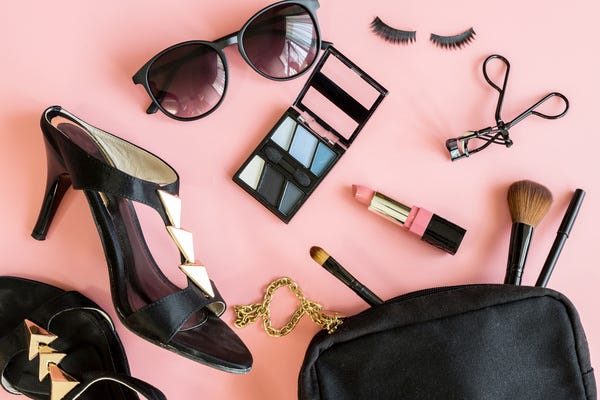
In the ever-evolving world of fashion and design, accessories hold a unique and indispensable place. These items, often considered secondary to the main garment, play a pivotal role in enhancing and refining one’s overall appearance, personality, and lifestyle. Accessories are not merely decorative; they serve as powerful tools for self-expression, providing a sense of individuality and identity. From a sleek watch that punctuates a professional outfit to an ornate necklace that adds a layer of sophistication to an evening ensemble, accessories are a testament to the idea that style is in the details. This article delves into the multifaceted world of accessories, exploring their historical significance, their modern-day relevance, and their undeniable ability to transform any look.
A Historical Perspective: Accessories Through the Ages
The history of accessories dates back thousands of years, with the earliest examples found in ancient civilizations. In Ancient Egypt, jewelry was not only a symbol of wealth and status but also a way to ward off evil spirits. The Egyptians, renowned for their artistry, used gold, lapis lazuli, and other precious stones to craft intricate necklaces, bracelets, and rings. These ornaments were often imbued with symbolic meaning, and their luxurious nature signaled the wearer’s power and importance.
Fast forward to the 16th century, and accessories took on new forms and functions during the Renaissance. Gloves, hats, and ruffs became crucial elements of fashion, often signaling one’s social class and refinement. Queen Elizabeth I, for example, was famous for her elaborate ruffs and other accessories, which reflected both her royal status and her keen sense of style.
As fashion evolved, accessories continued to be more than mere adornments. They reflected social status, political power, and cultural significance. In the 18th and 19th centuries, accessories such as fans, shawls, and pocket watches became essential parts of daily life, influencing everything from etiquette to romance. Today, while fashion trends change with each passing season, the importance of accessories has remained constant.
The Modern-Day Accessory: An Essential Element of Style
In today’s fast-paced, trend-driven world, accessories are no longer relegated to secondary status. In fact, many designers and style influencers argue that accessories are the foundation of a well-rounded outfit. While clothing choices are often dictated by comfort, function, and fashion trends, accessories provide a chance to showcase individuality and creativity. Whether it’s a statement necklace, a pair of stylish sunglasses, or a luxurious leather handbag, accessories have the ability to make or break an outfit.
One of the most significant advantages of accessories is their versatility. A simple shift dress can be transformed from casual to chic with the right pair of shoes, a bold belt, or a carefully chosen scarf. Accessories allow individuals to reinvent their style without the need for an entire wardrobe overhaul. This adaptability makes them especially appealing in today’s world, where sustainable fashion and a more conscious approach to consumerism are gaining traction.
Moreover, accessories serve a practical function. Watches, bags, hats, and belts are all essential items that cater to practical needs. A stylish leather tote, for instance, can carry one’s belongings while also serving as a fashion statement. A watch not only tells the time but often becomes an expression of personal style, with various designs ranging from minimalist to extravagant. Even something as simple as a pair of sunglasses serves both a protective function and an aesthetic one, providing a layer of intrigue to an outfit.
The Psychology of Accessories: How They Shape Perception
Beyond their aesthetic appeal, accessories have a profound psychological effect on both the wearer and those around them. Wearing certain accessories can evoke specific emotions or attitudes, often influencing how others perceive us. A woman wearing a statement necklace, for instance, may project confidence, sophistication, or a creative spirit. A man sporting a vintage watch might be seen as someone with a taste for timeless elegance or as someone who values craftsmanship.
Accessories can also communicate one’s mood or personality. A colorful scarf can signal a playful or lighthearted mood, while a dark, minimalist bag may suggest someone who prefers understated elegance. Fashion is often about making a statement, and accessories are one of the easiest ways to broadcast a message about who we are or how we wish to be perceived. The psychology of accessories is often linked to the idea of non-verbal communication, where a person’s choice of accessories serves as a silent yet powerful expression of identity.
The Influence of Technology: Accessories in the Digital Age
In the 21st century, accessories have expanded beyond the realm of traditional fashion. With the rise of technology, many accessories now serve dual functions, combining style with cutting-edge innovation. Smartwatches and fitness trackers are prime examples of how the intersection of fashion and technology has created an entirely new category of accessories. These wearable gadgets not only track physical activity but also offer features such as notifications, heart rate monitoring, and GPS navigation, all while maintaining a sleek and fashionable appearance.
Similarly, bags have evolved to accommodate the digital age. Many handbags now feature built-in charging ports for smartphones or have specialized compartments for laptops and tablets. These practical innovations have made accessories even more integral to our daily lives, as they help us navigate the demands of both fashion and functionality in an increasingly connected world.
Sustainability and Ethical Considerations in Accessory Design
As the fashion industry faces growing scrutiny over environmental and ethical issues, accessories are not exempt from this conversation. In recent years, there has been a rise in eco-conscious and ethically produced accessories. Many designers are turning to sustainable materials such as vegan leather, recycled metals, and organic fabrics to create accessories that align with the values of the modern consumer.
In addition to sustainable materials, there is also a growing trend towards upcycling and repurposing old accessories to create new ones. Vintage jewelry and bags are being reimagined and restored, offering consumers an opportunity to own unique, one-of-a-kind pieces while reducing waste. The rise of second-hand markets, such as thrift stores and online platforms like Depop and Poshmark, has further fueled this movement, enabling people to find high-quality accessories at affordable prices while contributing to the reduction of fast fashion.
Conclusion: The Enduring Power of Accessories
In conclusion, accessories are far more than decorative afterthoughts; they are an essential part of both our personal style and daily functionality. From their rich historical roots to their modern-day versatility, accessories have consistently played a significant role in fashion, culture, and self-expression. They allow individuals to elevate their style, convey their personality, and embrace the ever-changing landscape of fashion with confidence. Whether rooted in tradition or driven by innovation, accessories continue to shape our world in subtle yet powerful ways, proving that sometimes, the smallest details make the most significant impact.
