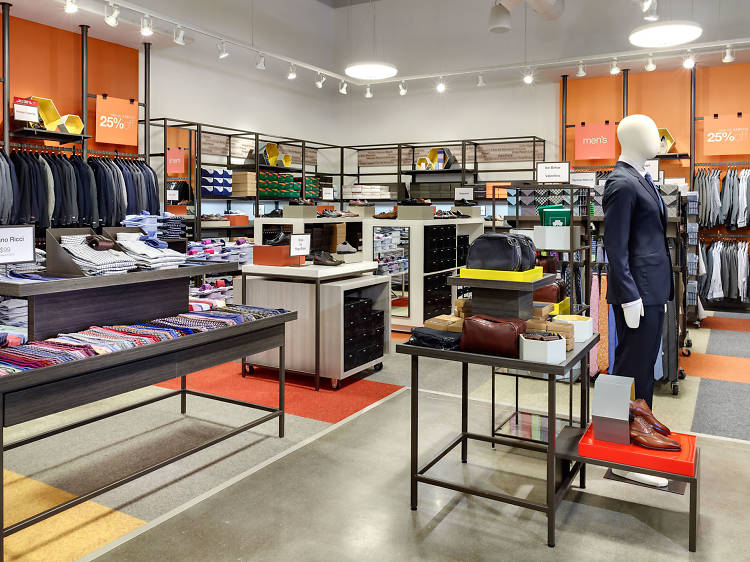
In the world of retail, outlet stores hold a unique and prized position. Often viewed as treasure troves of high-quality goods at deeply discounted prices, outlet stores have gained a devoted following among savvy shoppers. These establishments, typically located in dedicated outlet malls or standalone locations, offer a compelling blend of brand prestige, significant savings, and a somewhat more laid-back shopping experience. While many shoppers are drawn to outlets for the allure of lower prices, a closer look at the dynamics of outlet stores reveals that they are not just about finding deals—they are a testament to the complex interplay of consumer behavior, marketing strategy, and retail evolution. This article explores the allure of outlet stores, their origins, the benefits they offer, and how consumers can make the most of the outlet shopping experience.
The Rise of Outlet Stores: A Historical Overview
The concept of the outlet store dates back to the early 20th century, though its modern iteration really began to take shape in the post-World War II era. In the beginning, outlet stores primarily served as venues for manufacturers to clear excess inventory, overstock, or out-of-season goods. These products, often from well-established brands, were offered at discounted prices to avoid the financial strain of unsold merchandise. For many years, outlet stores remained a rather niche part of the retail world, catering to bargain hunters and those willing to sift through piles of clearance items.
The real transformation of outlet stores began in the 1980s, when the model shifted from purely discount-driven outlets to branded destinations. Retailers, sensing an opportunity to reach price-sensitive consumers without diminishing the cachet of their core brands, began opening dedicated outlet locations for their products. High-end fashion houses such as Prada, Burberry, and Coach followed suit, offering products that were perceived to be of the same quality as those sold in regular stores but at a fraction of the price. As the concept of luxury outlets grew, outlet shopping malls emerged, with entire complexes of outlet stores from top-tier brands designed to entice consumers with the promise of designer goods at discount prices.
Today, outlet stores have become an essential part of the retail landscape. Brands like Nike, Michael Kors, and Ralph Lauren, among many others, have developed outlet divisions that cater specifically to consumers seeking quality products at discounted prices. The typical outlet store is no longer just a place for overstocked merchandise—it has become a curated shopping destination in its own right, where seasonal collections, exclusive items, and past-season styles coexist in a well-organized space designed for a seamless shopping experience.
The Outlet Store Experience: What Makes It Different?
One of the most distinguishing characteristics of outlet stores is their ability to deliver value at a lower price point. Typically, products found in outlets are priced significantly lower than those in regular retail stores. This price difference is often attributed to several factors, including the nature of the goods, the sales channels, and the operational model of outlet stores.
The merchandise sold in outlet stores is often either last season’s inventory, discontinued styles, or overproduced items. While this might sound like a compromise in quality, many shoppers find that outlet goods are still made with the same high standards as those sold in full-price stores. In fact, some brands design specific collections for their outlet stores, often using different materials or variations in style to distinguish the products while maintaining the brand’s signature aesthetic. For example, a luxury brand may offer a slightly simpler version of a coat or handbag at the outlet store, one that has fewer embellishments or features, but still maintains the brand’s reputation for quality craftsmanship.
Aside from the appeal of the lower prices, outlet stores are also known for their laid-back and spacious shopping environments. Unlike crowded department stores or high-end boutiques, outlet stores tend to have a more relaxed atmosphere. The focus is often on quantity and variety rather than the high-pressure sales tactics commonly found in full-price retail environments. This gives shoppers ample time to browse, compare, and find exactly what they’re looking for, all while enjoying the satisfaction of discovering a great deal.
Moreover, outlet shopping is often associated with a sense of treasure hunting. The thrill of finding a high-end item at a fraction of the regular price is an experience that draws many to outlets time and again. Some shoppers relish the process of sifting through racks and shelves in search of a perfect, discounted find, while others may focus more on planning specific purchases. Either way, outlet stores offer an experience that is different from the usual retail environment—one that combines the excitement of discovery with the appeal of significant savings.
Outlet Shopping: Tips for Maximizing Value
While outlet stores can offer great bargains, it’s important for shoppers to approach the experience strategically to ensure they’re getting true value for their money. Not all outlet items are created equal, and not every purchase will be a deal in the traditional sense. Here are some tips to make the most of your outlet shopping experience:
-
Know Your Prices: Before heading to an outlet store, it’s wise to have a sense of what the products typically cost in full-price retail stores. Many brands sell similar or even identical products at both full-price locations and outlet stores, but the outlet version may be offered at a reduced price. However, it’s important to verify that the outlet discount is genuine, as sometimes the marked-down price might not be as significant as it appears when compared to retail pricing.
-
Look for Timeless Pieces: Outlet stores are often stocked with last season’s collections or discontinued items, which may include seasonal trends that are no longer in fashion. When shopping for clothes, accessories, or footwear, focus on timeless pieces that won’t go out of style. Classic cuts, neutral colors, and well-made basics tend to offer the best long-term value.
-
Be Cautious About “Outlets-Only” Products: Some outlet stores sell items that are specifically made for the outlet market. These items may be made with lower-quality materials or simplified designs, even though they are still associated with the brand. It’s essential to scrutinize these items closely to ensure that they meet your standards in terms of quality and durability.
-
Take Advantage of Additional Discounts: Many outlet stores offer promotions beyond the standard low prices. These can include holiday sales, clearance events, or exclusive coupon discounts for members of the brand’s loyalty program. Signing up for store newsletters or joining loyalty programs can give you access to even greater savings.
-
Check for Return Policies: Unlike traditional retail stores, outlet stores may have more restrictive return policies. Be sure to check the return policy before making any purchases, especially if you’re buying an item on a whim or haven’t had the chance to try it on.
The Future of Outlet Shopping
As e-commerce continues to grow, outlet stores must evolve to keep up with changing consumer behaviors. Many outlets are now expanding their online presence, offering the same great deals to shoppers who prefer the convenience of shopping from home. In addition, some outlet malls have incorporated experiential elements, such as dining options, entertainment, and even pop-up shops, creating a more immersive shopping experience that goes beyond just making purchases.
In the face of a rapidly shifting retail landscape, outlet stores remain a key player in the retail industry, providing consumers with an accessible way to purchase quality goods at reduced prices. Whether you’re a seasoned outlet shopper or a first-time visitor, the allure of finding high-end items at a discount is undeniable. With a bit of knowledge and a strategic approach, outlet shopping can be an enjoyable and rewarding experience that delivers both value and satisfaction.
Conclusion: The Allure of Outlet Stores
Outlet stores offer much more than just discounted merchandise; they provide a unique shopping experience that combines quality, affordability, and the thrill of discovery. Over the years, they have become a beloved destination for consumers seeking the best of both worlds: premium products at prices that don’t break the bank. Whether you’re looking for fashion, home goods, or outdoor gear, the outlet mall is an ideal place to find significant savings without compromising on quality. By approaching outlet shopping with a discerning eye and a well-thought-out strategy, shoppers can turn the experience into a rewarding adventure that delivers both value and satisfaction.
