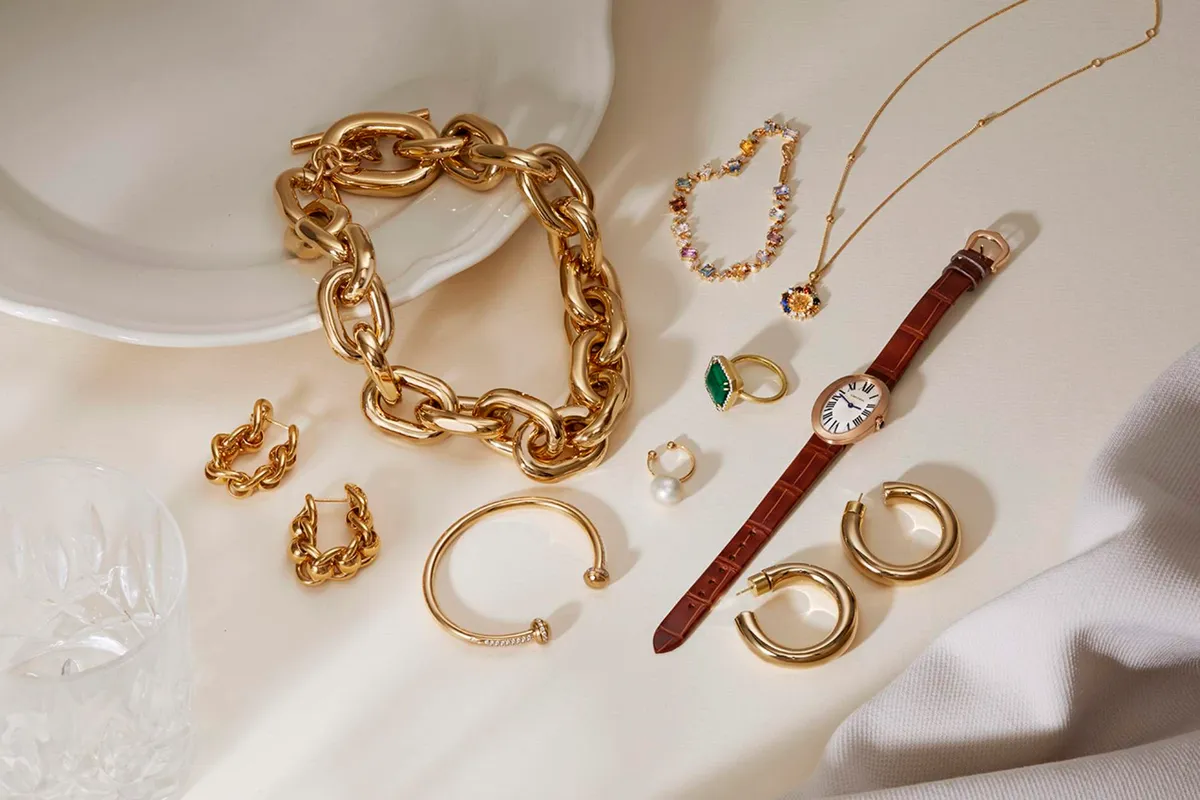
Trends in the fashion world come and go with the seasons. What is celebrated on the runway today might be relegated to the back of the closet by next year. However, true style remains constant, and nowhere is this more evident than in the realm of fine jewelry. Building a curated collection of classic jewelry is not just about accessorizing an outfit; it is a financial and personal investment. High-quality pieces crafted from precious metals and genuine gemstones hold their value, withstand the test of time, and carry a sense of emotional significance that can be passed down through generations.
An investment jewelry piece is characterized by its versatility, durability, and timeless appeal. These are the items that seamlessly transition from a casual morning meeting to a formal evening gala. They complement any wardrobe, elevating a simple white T-shirt and jeans just as effortlessly as they enhance a sophisticated evening gown. For a woman looking to build a wardrobe that exudes confidence and elegance, focusing on foundational items is the key.
1. The Diamond Stud Earrings
If you were to own only one pair of earrings for the rest of your life, diamond studs should be the definitive choice. Their simplicity is their greatest strength. Positioned close to the face, diamond studs catch the light with every turn of the head, bringing a natural brightness to the complexion without overwhelming the wearer’s features.
When investing in diamond studs, understanding the balance of the four Cs—cut, clarity, color, and carat weight—is essential. Because stud earrings are generally viewed from a slight distance, you can often compromise slightly on clarity while prioritizing the cut. A well-cut diamond maximizes light reflection, giving the stone its characteristic fire and brilliance.
Choosing the Right Setting and Metal
The metal setting plays a significant role in both the security and the aesthetic of the earring. White gold and platinum offer a sleek, contemporary look that seamlessly blends with the icy brilliance of the diamond. Yellow gold provides a warm, classic contrast that feels inherently traditional. In terms of the setting type, a four-prong or three-prong martini setting allows the maximum amount of light to enter the stone, while a bezel setting encircles the diamond in metal, offering a more modern appearance and superior security for daily wear.
Versatility in Everyday Life
The true value of diamond studs lies in their unmatched versatility. They are completely appropriate for the boardroom, requiring no adjustments when transitioning to an evening dinner. They do not compete with other jewelry pieces, making them the perfect anchor for a curated ear look if you have multiple piercings.
2. The Classic Pearl Strand Necklace
Pearls have occupied a place of honor in jewelry boxes for centuries. Unlike gemstones that must be cut and polished to reveal their beauty, pearls are born organic and complete from nature. A classic strand of pearls represents an understated elegance that communicates sophistication without shouting.
When buying a pearl necklace, the quality depends on several factors, including luster, surface perfection, shape, and size. Luster refers to the sharpness and intensity of the reflections on the pearl’s surface; high-quality pearls have a bright, mirror-like reflection. While perfectly round pearls are the most traditional and valuable, slight irregularities often attest to their organic origin.
Selecting the Perfect Length
The length of the strand dictates how and when the necklace can be worn.
-
Choker (14 to 16 inches): Rests just above the collarbone and pairs beautifully with open-neck clothing, boatnecks, and off-the-shoulder styles.
-
Princess (17 to 19 inches): The most common and versatile length, sitting gracefully on the collarbone. It complements almost any neckline, from crew necks to plunging V-necks.
-
Matinee (20 to 24 inches): Rests midway between the collarbone and the bust, making it an excellent choice for casual or business casual attire, especially over high-necked tops and sweaters.
A well-maintained strand of pearls can last for multiple generations. Because they are softer than mineral gemstones, they require gentle care, avoiding direct contact with perfumes and hairsprays, which can dull their natural radiance.
3. The Gold Chain Bracelet
A substantial gold chain bracelet is the cornerstone of a well-edited wrist display. It provides a tactile, structural element to an outfit, offering a gleam of polished metal that moves with the rhythm of your hands. Whether worn completely alone or stacked alongside a luxury timepiece, a high-quality gold bracelet adds instant polish to any ensemble.
When purchasing a gold chain for investment purposes, the purity of the metal is paramount. Solid 14-karat or 18-karat gold is the standard for fine jewelry. While 24-karat gold is pure, it is generally too soft for daily wear and prone to scratching or bending. 14-karat gold offers excellent durability due to its alloy composition, while 18-karat gold features a richer, deeper yellow hue that signifies luxury.
Iconic Link Styles to Consider
-
The Cable Link: The most traditional style, featuring uniform oval or round links interlocked in a consistent pattern.
-
The Curb Link: Characterized by links that have been flattened and twisted, allowing them to sit flush against the skin for a sleek, contemporary feel.
-
The Figaro Link: A variation of the curb chain, featuring an alternating pattern of three short links followed by one elongated oval link, offering a distinct visual rhythm.
Investing in a gold chain bracelet with a secure, well-crafted clasp ensures that the piece remains safely on your wrist through all of life’s daily movements.
4. The Solitaire Cocktail Ring
While stud earrings and chain bracelets provide the daily foundation of a jewelry collection, a classic cocktail ring introduces personality, drama, and historical charm. Originating in the 1920s during the Prohibition era in the United States, the cocktail ring was worn by independent women as a symbol of self-expression and celebration. Today, it remains the ultimate statement piece for the hand.
A classic cocktail ring typically features a single, prominent gemstone set in a striking architectural mount. While diamonds are a luxurious option, this is the perfect category to introduce color into your collection through precious stones like sapphires, emeralds, rubies, or high-grade semi-precious options like amethyst, topaz, and aquamarine.
Balancing Scale and Wearability
The key to a successful cocktail ring investment is finding a balance between dramatic scale and physical comfort. The ring should feel substantial and eye-catching without being so heavy that it spins on the finger or becomes uncomfortable after a few hours of wear. A masterfully crafted ring will feature a setting that protects the central stone while allowing enough light underneath to showcase the depth of the gemstone’s color.
5. The Elegant Luxury Timepiece
Though a watch serves a practical function, a luxury timepiece from a respected horological house is fundamentally a piece of fine jewelry. A classic watch communicates an appreciation for craftsmanship, history, and precision engineering. It bridges the gap between functional utility and artistic adornment.
When selecting a timepiece to anchor your collection, look for models with a proven track record of design longevity. A stainless steel, two-tone, or solid gold watch with a clean, legible dial and a modest case size ensures that the watch remains stylish irrespective of shifting size trends.
Mechanical Versus Quartz Movements
An investment in a luxury watch often requires choosing between a mechanical movement and a quartz movement.
-
Mechanical/Automatic Movements: Powered by a complex system of gears and springs, these pieces are highly prized by collectors for their traditional craftsmanship and smooth, sweeping second hands. They require regular servicing but can last indefinitely.
-
Quartz Movements: Powered by a battery, quartz watches offer unmatched accuracy and require very little maintenance beyond battery replacements every few years. They are often sleeker and thinner, making them exceptionally comfortable for daily wear.
A luxury watch acts as an anchor for the wrist, balancing bracelets and rings while serving as a daily reminder of the value of time and personal achievement.
Frequently Asked Questions
How can I distinguish between genuine gold jewelry and gold-plated items?
Genuine gold jewelry will feature a stamped hallmark indicating its purity, such as 14K, 14kt, 585 (representing 58.5 percent purity for 14-karat), or 18K, 750 (representing 75 percent purity for 18-karat). Gold-plated or gold-filled items often feature stamps like GP, GEP, or GF alongside the karat marker. Genuine gold is also non-magnetic, heavy for its size, and will not cause skin discoloration or tarnishing over time.
What is the safest way to clean fine jewelry at home without damaging it?
For most hard gemstones like diamonds, sapphires, and rubies set in gold or platinum, the safest method is using warm water mixed with a few drops of mild, fragrance-free dish soap. Let the jewelry soak for ten to fifteen minutes, then gently scrub it with a new, extra-soft bristle toothbrush to remove oils and dirt. Rinse thoroughly under warm running water with the drain closed, and blot dry with a lint-free microfiber cloth.
Why do pearls require different care compared to mineral gemstones?
Pearls are organic gems created inside living mollusks and are composed primarily of calcium carbonate. This makes them highly susceptible to acids, chemicals, and abrasion. They score very low on the mineral hardness scale, meaning they scratch easily. To preserve their luster, always apply makeup, perfume, and hairspray before putting on your pearls, and wipe them down with a soft, damp cloth after each wear to remove body oils.
Is platinum a better investment choice than white gold for daily wear?
Platinum is a naturally white, dense metal that is highly durable and hypoallergenic, making it excellent for holding gemstones securely over a lifetime. Unlike white gold, which is an alloy rhodium-plated to maintain its silver color and requires re-plating every few years, platinum does not lose its color. However, platinum scratches more easily than white gold, developing a soft satin finish known as patina over time, which many collectors admire.
What factors dictate the lifespan and strength of a gold chain bracelet?
The lifespan of a gold chain depends heavily on the link construction and the type of clasp. Solid links are significantly more durable and less prone to denting or breaking than hollow links, which are lightweight and fragile. Additionally, the clasp mechanism should be robust; a lobster claw clasp or a box clasp with a safety catch offers the highest level of security against accidental opening.
How do I determine the correct bracelet size for a comfortable everyday fit?
To find your ideal bracelet size, wrap a flexible measuring tape around the widest part of your wrist, just below the wrist bone. Note the exact measurement and add one-half inch for a snug, structured fit, or add three-quarters of an inch to an inch for a loose, fluid drape. The bracelet should be loose enough to move slightly with your hand but tight enough that it cannot slip over your hand entirely.
How should fine jewelry pieces be stored to prevent damage and tangling?
Fine jewelry should be stored individually in a fabric-lined jewelry box or in separate soft pouches to prevent pieces from scratching one another. Diamonds, being the hardest natural substance, can easily scratch gold, platinum, and softer gemstones. Necklaces and chain bracelets should be fastened and laid flat or hung on dedicated hooks to prevent knotting and tangles in the links.
