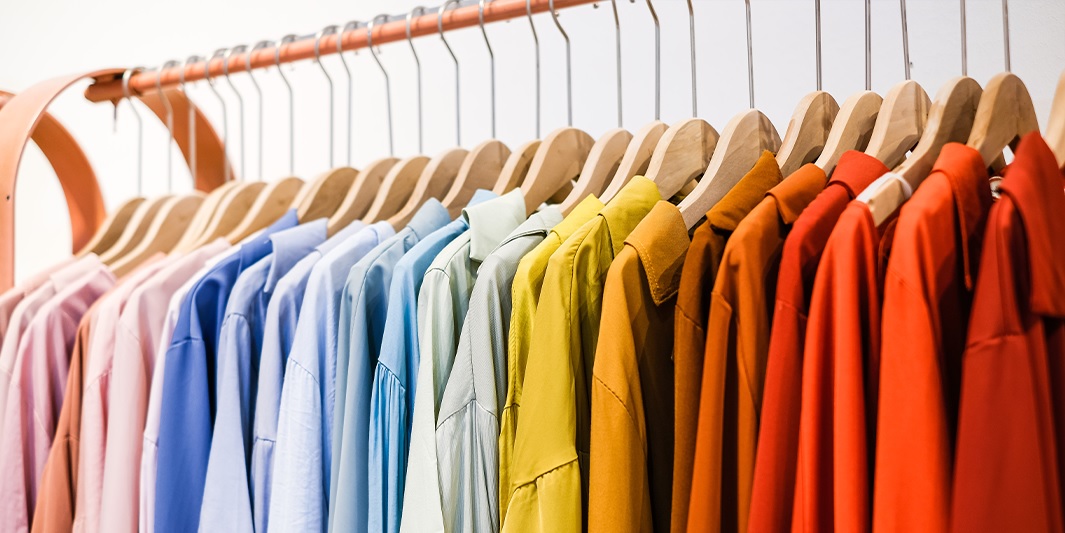
Clothing is one of the most essential aspects of human life—both a necessity and an avenue for self-expression. From the humble tunics of early civilizations to the tailored suits of contemporary business professionals, what we wear is a reflection of our values, our culture, and our personal identity. More than simply serving as protection from the elements, clothing holds deep social, cultural, and psychological significance, shaping how we present ourselves to the world and how the world perceives us. The world of fashion is as old as civilization itself, and yet it remains in constant evolution, influenced by political movements, technological advancements, and social shifts. In this article, we will explore the multifaceted role of clothing, examining its historical evolution, its connection to personal and cultural identity, and its current status in the modern world.
The Evolution of Clothing: From Necessity to Art
The origins of clothing are rooted in practical necessity. Early humans wore skins and furs for protection against the elements—simple, functional garments designed to keep them warm, dry, and safe. As societies grew more complex, so did the ways in which people adorned themselves. In ancient Egypt, Greece, and Rome, clothing became an indicator of status and class, with rulers and aristocrats wearing garments made of the finest materials, such as linen, silk, and wool, often in vibrant colors and intricate designs. In ancient Egypt, the use of linen and elaborate headdresses signaled both wealth and divinity. As civilizations advanced, so too did the variety of materials and designs used for clothing. By the Middle Ages, European royalty wore garments that were not only functional but also symbolic, with rich textiles such as velvet, brocade, and silk signaling wealth and power.
In the 19th and 20th centuries, clothing began to take on an entirely new dimension. The Industrial Revolution marked the beginning of mass production, making clothing more accessible to the working class. This democratization of fashion also led to the emergence of distinctive styles associated with particular social classes. By the mid-20th century, fashion houses like Chanel, Dior, and Yves Saint Laurent had redefined the role of clothing from mere utility to high art, showcasing the idea that clothing could be an expression of both personal style and societal aspirations. Today, the global fashion industry is a multibillion-dollar powerhouse, blending aesthetics with commerce, and continuing to influence trends, cultures, and even politics.
Clothing as a Marker of Identity
While clothing’s most basic function is to cover and protect, it has long been a way for individuals to communicate who they are, where they belong, and what they stand for. Clothing is an extension of personal identity, a way to project an image to the outside world. From the sleek, professional look of a corporate executive to the casual, laid-back style of a streetwear enthusiast, the clothes we choose to wear can reveal much about our personality, social status, and even our values.
Take, for example, the phenomenon of uniforms. Whether worn by military personnel, police officers, or corporate employees, uniforms serve a practical function by signaling membership within a particular group or profession. Beyond the obvious functional aspects, uniforms also convey authority, discipline, and belonging. In fashion, this concept is reflected in the way certain styles, colors, and brands signal membership within a subculture or trend. In the 1980s, for instance, the punk movement used clothing as a form of rebellion, embracing torn garments, leather jackets, and studded accessories as a way to reject mainstream culture and assert an identity rooted in anti-establishment ideals.
In addition to cultural movements, clothing plays a central role in personal expression. It allows individuals to experiment with their identity and communicate specific aspects of their character. For instance, someone who dresses in a minimalist style may be perceived as someone who values simplicity and clarity, while someone who embraces bold, avant-garde clothing may be seen as creative or unconventional. In this sense, clothing offers individuals a platform to assert themselves and navigate the complex interplay of personal identity and societal expectations.
The Cultural Significance of Clothing
Clothing is not only an expression of personal identity but also a powerful vehicle for cultural expression. Every society has its own sartorial norms, rituals, and customs that shape the way its people dress. From the kimono in Japan to the sari in India, traditional garments carry deep cultural meanings, representing not only beauty but also history, tradition, and social norms. These garments are often worn for ceremonial purposes, marking important life events such as weddings, festivals, or rites of passage.
In many cultures, clothing also functions as a marker of social class. In Western societies, for instance, haute couture—the highest form of custom-made fashion—has historically been a privilege reserved for the elite. The materials, craftsmanship, and exclusivity of such garments symbolized both wealth and access to the inner circles of power. Conversely, in other parts of the world, traditional or folk dress might represent an adherence to community values, rural roots, or a specific regional identity. These garments may not be tied to economic status but instead reflect a deep cultural connection to heritage and place.
In the modern globalized world, clothing has become increasingly commodified, with international brands dominating the landscape. However, even in this context, the significance of clothing remains intact. Global brands like Nike, Gucci, and Louis Vuitton have transcended their role as mere clothing providers, becoming symbols of status, success, and lifestyle. The phenomenon of “brand culture” has emerged, where the clothes we wear are not just about what we like but also about how we align ourselves with particular values and aspirations.
Clothing in the Modern World: Fashion, Sustainability, and Ethics
Today, clothing plays a central role in the global economy, with fashion representing a $2.5 trillion industry that spans retail, design, and media. As a result, the fashion industry exerts significant influence over societal norms, trends, and even politics. The rise of fast fashion—characterized by mass-produced, low-cost clothing designed to be worn for short periods—has revolutionized the industry, making fashionable clothing more affordable and accessible than ever before.
However, this phenomenon has not come without consequences. The environmental and ethical implications of fast fashion have become increasingly evident. The rapid production and disposal of cheap clothing contribute to significant waste, pollution, and exploitation in developing countries. In response, there has been a growing movement towards sustainable fashion, where designers, brands, and consumers are working to reduce waste, support fair labor practices, and prioritize eco-friendly materials. Fashion is slowly shifting towards an industry that values longevity, quality, and ethical production practices over the short-term pursuit of trends.
In addition to sustainability, there is also a growing conversation around inclusivity in fashion. Historically, fashion has been an industry that catered primarily to a narrow standard of beauty, often excluding people of different body sizes, ages, and backgrounds. Today, however, there is a movement towards diversity and representation, with brands increasingly showcasing models of various ethnicities, sizes, and gender identities. This shift not only broadens the appeal of fashion but also makes it more inclusive and reflective of the rich diversity of society.
Conclusion: Clothing as a Reflection of a Changing World
In conclusion, clothing is much more than a practical necessity or a mere accessory. It is a powerful means of self-expression, a reflection of cultural values, and a statement of personal identity. From its humble beginnings as a protective covering to its present-day role as a global cultural force, clothing has always been tied to the ways in which we perceive ourselves and are perceived by others. As society continues to evolve, so too will the way we dress, with fashion becoming ever more reflective of our values, challenges, and aspirations. Whether we embrace the latest trends or choose timeless pieces, our clothing speaks volumes about who we are and the world we inhabit.
