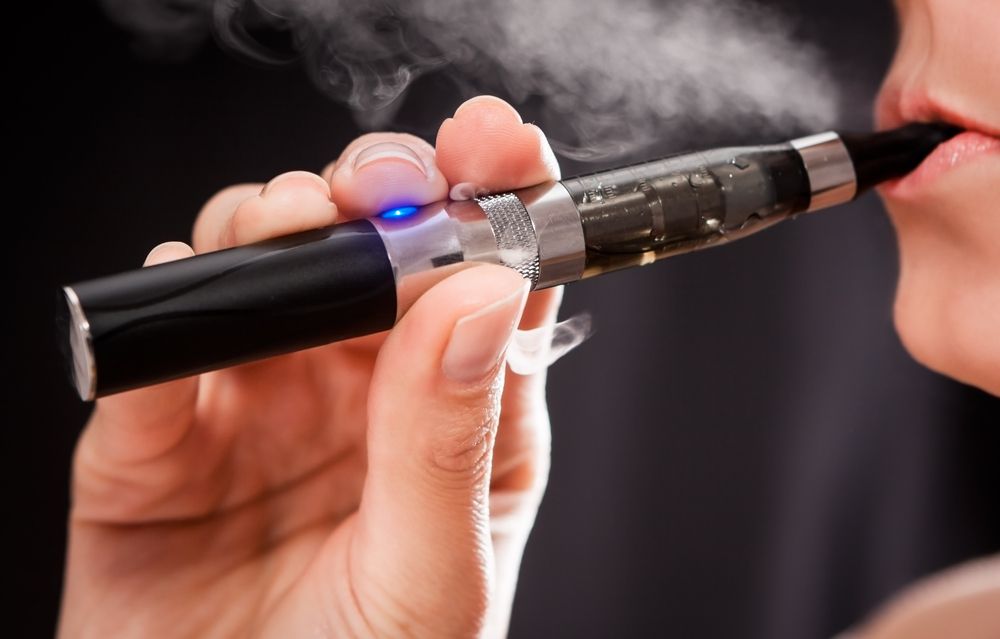
Walking down the bustling streets of Bangkok or sitting near a quiet café in Chiang Mai, you might notice sweet-smelling clouds of vapour drifting through the air. Vaping has become a common sight across Thailand, despite strict local laws prohibiting the import and sale of vaping devices. Many people switch to vaping because they believe it offers a safe alternative to traditional smoking.
Medical experts warn that the reality looks very different. Electronic cigarettes (known as ยาสูบไฟฟ้า in Thai) pose serious dangers to your health, and many users remain completely unaware of the physical toll these devices take on their bodies. The sweet flavours and colourful packaging mask a complex mixture of harmful chemicals.
When you inhale from a vape, you do not breathe in harmless water vapour. The device heats a liquid to create an aerosol. This aerosol contains tiny particles that reach deep into your lungs. Scientists have found heavy metals like lead and nickel, alongside volatile organic compounds, inside this vapour. These substances cause inflammation and damage lung tissue over time. Respiratory issues are becoming a growing concern for medical professionals in Thailand, who now see younger patients presenting with chronic coughs and breathing difficulties.
Certain flavouring chemicals cause severe respiratory diseases. One such chemical, diacetyl, links directly to a permanent condition known as popcorn lung. This disease damages the small airways in your lungs, resulting in shortness of breath and a persistent dry cough. Once this damage occurs, doctors cannot reverse it.
Nicotine addiction presents another severe problem. Most e-liquids contain high levels of nicotine, a highly addictive substance that alters brain development in adolescents and young adults. Because the devices are easy to conceal, users often consume higher amounts of nicotine compared to traditional smokers. This constant exposure makes quitting incredibly difficult and leads to withdrawal symptoms like anxiety, irritability, and trouble sleeping.
Your heart also suffers from regular vaping. Inhaling these aerosols raises your blood pressure and spikes your heart rate almost instantly. Over time, this constant strain increases your risk of developing heart disease or suffering a heart attack. The chemicals in the vapour can stiffen your arteries, making it harder for your heart to pump blood around your body effectively.
Public health officials across Thailand continue to fight against the rising tide of youth vaping. Schools and communities work hard to educate students about the hidden dangers inside these small, trendy devices. Parents and educators must understand these risks to protect the next generation from long-term health complications.
Understanding the facts helps you make informed decisions about your well-being. Vaping brings clear, documented risks to your lungs, heart, and brain. By sharing this accurate information, we can protect our communities and help people lead healthier, smoke-free lives.
